Leadwork is one of the most important parts of a roof, but it is often overlooked until a leak appears. Many homeowners notice a damp patch on a ceiling, water around a chimney breast or staining near an upstairs wall without realising that damaged or poorly fitted lead may be the cause. When leadwork is installed properly, it helps direct rainwater away from vulnerable areas of the roof. When it fails, water can find its way into the property quickly.
At LR Roof Repairs, we regularly see how important good leadwork is for homes across Windsor. It is used in areas where different parts of the roof meet, such as around chimneys, walls, valleys, dormers, porches and extensions. These are all places where water can gather, run down or be driven by the wind. Without well fitted lead, these areas become weak points.
In this guide, we explain what leadwork does, why it matters, how it helps prevent roof leaks and when you may need repairs.
What is roof leadwork?
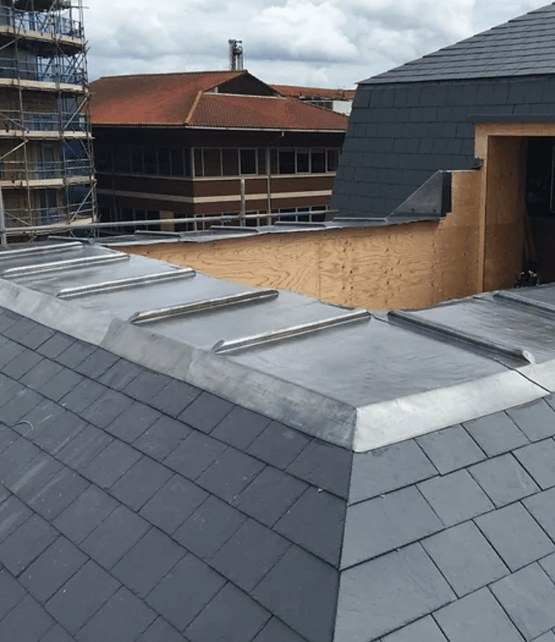
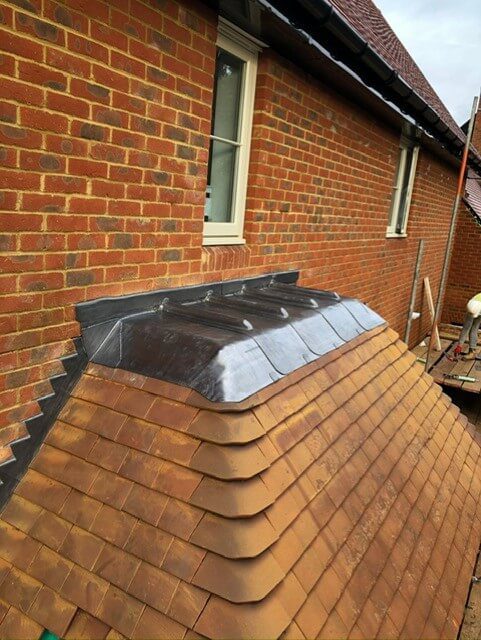
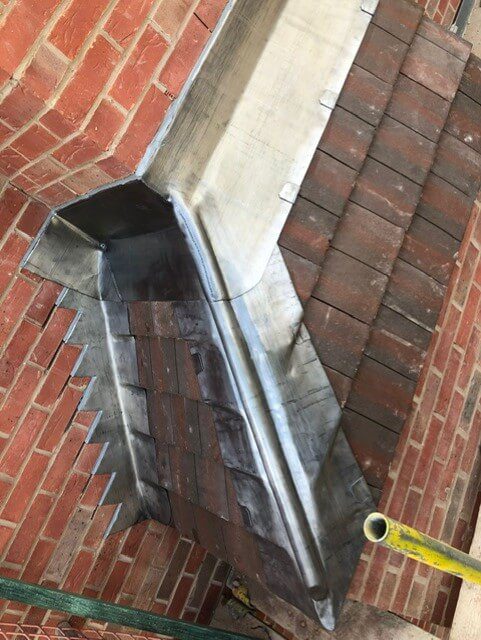
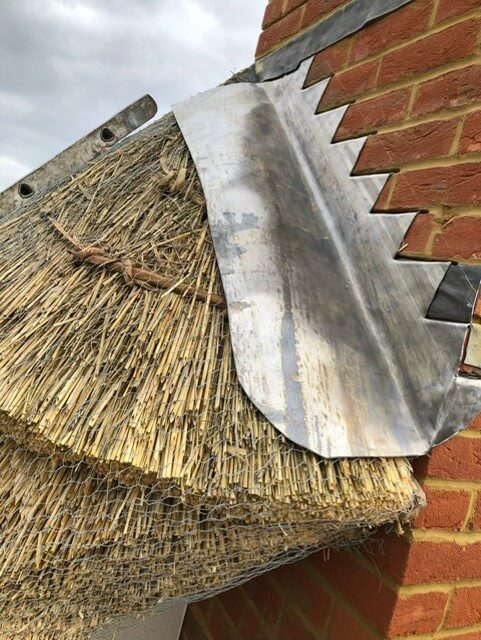
Roof leadwork is the use of lead sheets or lead flashing to seal and protect the joints on a roof. Lead is commonly used because it is flexible, durable and able to cope with changes in temperature. It can be shaped around brickwork, roof tiles and other roof details, which makes it a practical choice for areas that need a watertight finish.
You will often find leadwork in places such as:
- Chimney bases
- Roof valleys
- Dormer windows
- Roof joins against walls
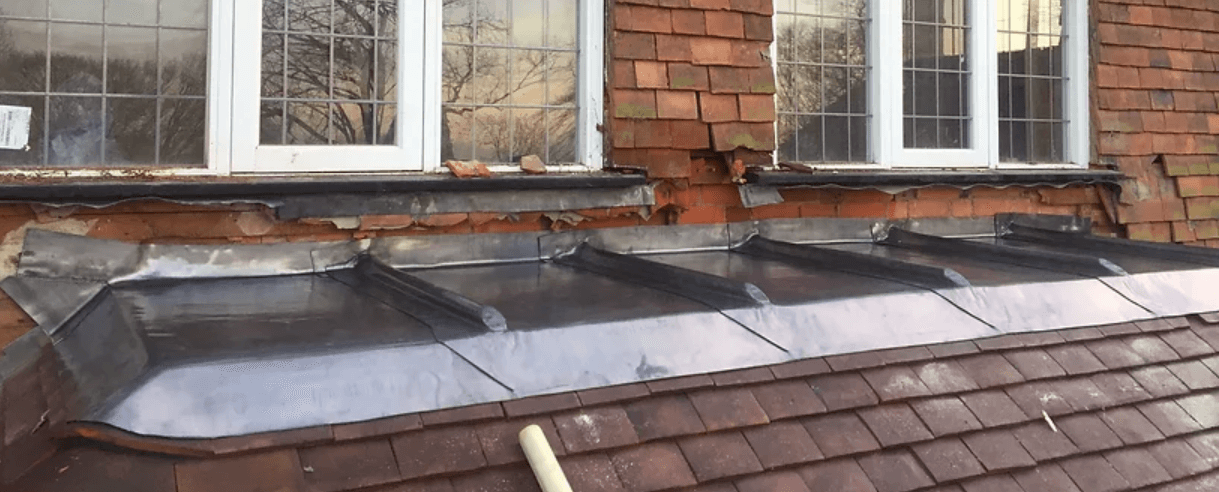
- Bay roofs
- Porches
- Flat roof edges
- Pipe openings
- Extensions where a new roof meets an existing wall
These are not always the most visible parts of a roof, but they play a major role in keeping a property dry. If the lead is cracked, loose, lifted or badly fitted, rainwater can enter behind it and travel into the building.
For homeowners looking after older, modern or extended properties, professional leadworks in Windsor can make a big difference to the long term condition of the roof.
Why leadwork matters so much in Windsor
Windsor has a wide mix of property types, from older homes with traditional roofs to more modern houses, extensions and conversions. Many properties have chimneys, pitched roofs, tiled sections, slate areas and flat roof additions. Each of these can rely on leadwork in different ways.
Weather also plays a part. Roofs in Windsor have to deal with regular rain, frost, strong winds and changing temperatures throughout the year. Over time, this can affect roof materials. Lead can expand and contract with temperature changes, and if it has been fitted without enough allowance for movement, it may split or lift.
Older leadwork can also become worn over time. In some cases, previous repairs may have been carried out using short term sealants or unsuitable materials. These fixes may hold for a while, but they often fail when the weather turns wet or cold. Proper leadwork is designed to form a lasting barrier against rainwater rather than simply covering a visible gap.
How leadwork prevents roof leaks
The main role of leadwork is to stop water entering the roof at junctions and joints. Roof coverings such as tiles and slates are designed to shed water down the slope of the roof. The problem comes where that roof meets another surface.
For example, when a roof meets a chimney, rainwater can run down the tiles and towards the brickwork. Without flashing at the base of the chimney, water can get into the small gap between the roof covering and the masonry. Lead flashing bridges that gap and directs water back onto the roof surface where it can drain away.
The same applies where a pitched roof meets a wall. This is common on extensions, garages and porches. The line where the roof meets the wall is vulnerable because water can sit there or be blown into the joint. Leadwork helps seal that area while still allowing the roof and wall to move naturally.
Lead is also used in roof valleys, where two roof slopes meet and rainwater is channelled downwards. Valleys handle a lot of water during heavy rain, so they need to be well protected. If the valley lead is damaged, blocked or poorly fitted, leaks can happen quickly.
In simple terms, leadwork protects the areas of a roof where water is most likely to find a way in.
Common signs your leadwork may be failing
Leadwork problems are not always obvious from the ground. However, there are several warning signs that homeowners can look out for.
One of the most common signs is a damp patch on an internal wall or ceiling, especially near a chimney, corner, bay window or extension. You may also notice staining, peeling paint or a musty smell in the affected room.
Another sign is water appearing after heavy rain but not during light showers. This can happen when wind drives rain into a small gap in the flashing. A minor weakness can become a serious problem during a storm.
Outside the property, you may be able to see loose or lifted lead around a chimney or wall junction. Sometimes the lead looks wrinkled, cracked or pulled away from the brickwork. In other cases, mortar holding the lead in place may have fallen out, leaving gaps.
Other signs include:
- Missing mortar around flashing
- Cracks in the lead
- Lead that has slipped out of position
- Water marks below a chimney
- Moss or debris collecting around roof joints
- Repeated leaks in the same area
If you notice any of these problems, it is best to arrange an inspection before further damage is caused. Small leadwork repairs are often much simpler than repairing rotten timbers, damaged plaster or long term damp inside the home.
Why quick fixes can cause more problems
It can be tempting to patch leaking leadwork with sealant, tape or a coating from a DIY shop. While this may seem like a quick answer, it is rarely a good long term solution.
Lead needs to move slightly as temperatures change. If it is covered with rigid materials or sealed in the wrong way, the problem may return. Water can also get trapped behind a surface patch, which may hide the leak while the roof continues to suffer underneath.
Poor repairs can also make later work more difficult. Layers of sealant, cement or unsuitable flashing can stop water draining correctly and may cause damage to surrounding tiles or brickwork.
A professional roofer will look at the full area, not just the visible split or gap. The issue may be caused by the way the lead was fitted, the condition of the tiles, loose pointing, blocked gutters or movement in the surrounding roof. By finding the real cause, we can recommend a repair that is more likely to last.
Leadwork around chimneys
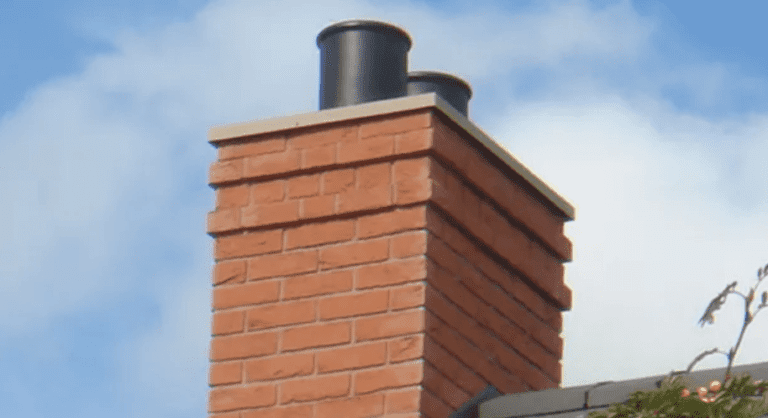
Chimneys are one of the most common places for roof leaks. They sit above the roofline and are exposed to rain from all directions. The base of the chimney needs strong, well fitted flashing to stop water getting between the brickwork and the roof covering.
Leadwork around a chimney often includes several parts, including front apron flashing, side flashing and back gutter details. Each part has a role in directing water away. If one section fails, water can enter the roof space or run down the chimney breast inside the property.
Chimney leadwork can also be affected by damaged pointing. If the mortar joints have become loose or cracked, the lead may no longer sit securely in the brickwork. In these cases, both the pointing and the lead may need attention.
A leak near a chimney should not be ignored. Water can travel along rafters or inside roof spaces before showing indoors, which means the source may not be directly above the damp patch. A proper roof inspection can help trace the problem.
Leadwork on extensions and adjoining walls
Many Windsor homes have been extended over the years. Extensions often create roof junctions where new roofing meets existing brickwork. These areas are very dependent on good leadwork.
Where a single storey extension meets a house wall, lead flashing is usually fitted along the join. It needs to be chased into the brickwork and dressed over the roof covering correctly. If it is only surface fixed, badly sealed or not deep enough into the wall, rain can get behind it.
This type of problem is common when extension roofs have been fitted quickly or when older flashing has reached the end of its useful life. You may notice damp along the inside wall of the extension, staining near the ceiling line or leaks during windy rain.
Good leadwork helps protect the join between the new and existing parts of the building, which is vital for keeping the extension dry.
Leadwork and roof repairs often go together
Leadwork is only one part of a roofing system. A leak may start at the lead, but it can also involve broken tiles, slipped slates, damaged battens, worn underlay or blocked drainage. That is why leadwork should be checked as part of the wider roof condition.
For example, if tiles around a chimney are cracked or missing, even good leadwork may struggle to do its job. If a valley is blocked with moss and debris, water may overflow into areas it should not reach. If pointing has failed, water may enter behind the flashing.
This is why we often look at leadwork alongside wider roof repairs in Windsor. A full view of the roof helps us find the cause of the leak and advise on the most suitable repair.
When should leadwork be repaired or replaced?
Not all leadwork problems require full replacement. In some cases, a local repair may be enough. This may include refixing loose lead, repairing small sections, repointing where lead enters brickwork or correcting a minor fault.
Replacement may be needed when the lead is badly split, too short, poorly fitted or has been patched several times before. It may also be needed if the original leadwork was installed without proper overlaps or movement allowance.
Age is another factor. Lead is a long lasting material, but it does not last forever. If your roof is older or has had repeated leaks in the same area, it may be worth having the lead checked properly.
A professional inspection can help you decide whether repair or replacement is the better option. The right choice depends on the condition of the lead, the roof around it and the cause of the issue.
The benefits of good quality leadwork
Well fitted leadwork can help protect your home in several ways. The most obvious benefit is leak prevention, but it also helps reduce the risk of damp, timber decay and internal water damage.
It can also help maintain the appearance of the roof. Neat leadwork around chimneys, walls and roof features gives a clean finish and supports the overall condition of the property.
Good leadwork can also save money over time. A small leak left untreated can lead to damaged ceilings, ruined insulation, stained plaster and hidden roof problems. By dealing with the leadwork early, you can often avoid more costly repairs later.
For landlords, homeowners and property managers, keeping leadwork in good condition is a sensible part of roof maintenance.
Why choose LR Roof Repairs?
At LR Roof Repairs, we understand how frustrating roof leaks can be. Our aim is to find the source of the problem and provide clear advice on the work needed. We work on roofs across Windsor and surrounding areas, helping homeowners with leadwork, roof repairs and general roofing issues.
We look at the full picture rather than only treating the visible symptom. If your leadwork has failed because of loose tiles, damaged pointing, blocked valleys or poor previous repairs, we will explain what we find and recommend a practical solution.
Whether you have a leak around a chimney, a problem where an extension meets the main house or concerns about older flashing, we can help assess the issue and advise on the next step.
Book a leadwork inspection in Windsor
Leadwork may not be the most noticeable part of your roof, but it is one of the most important when it comes to preventing leaks. It protects the weak points where roofs meet walls, chimneys, valleys and other features. When it is damaged or poorly fitted, water can enter quickly and cause problems inside the home.
If you have noticed damp patches, staining, loose flashing or a leak after heavy rain, it is worth getting your roof checked. The sooner leadwork problems are found, the easier they are to deal with.
For help with leadwork, flashing or roof leaks in Windsor, please get in touch with our team today.