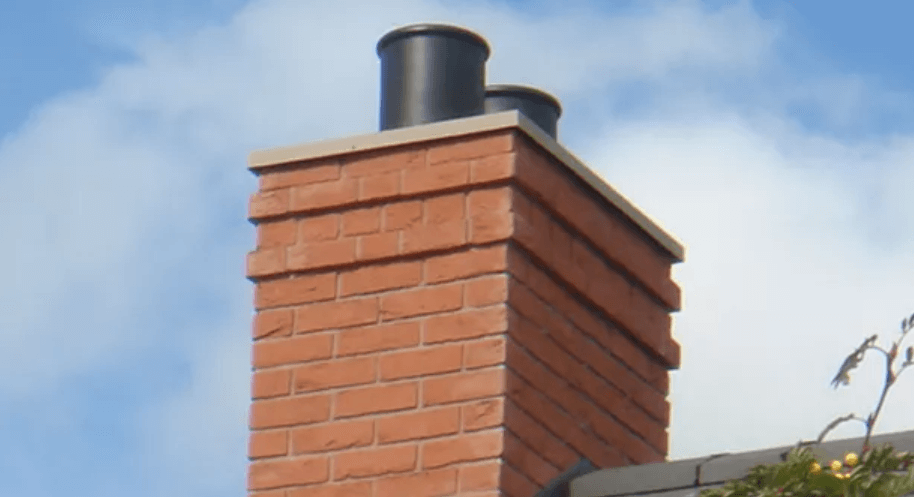
Chimneys are exposed to the weather all year round, so it is no surprise that they can become one of the first parts of a roof to show signs of wear. Rain, frost, wind and age can all affect the brickwork, mortar, lead flashing and surrounding roof covering. When problems are left for too long, a small chimney defect can turn into a roof leak, damp patch or more serious structural issue.
At LR Roof Repairs, we help homeowners across Windsor with chimney repairs, roof leaks and general roof maintenance. Many chimney problems start small and are easy to miss from ground level. A loose piece of mortar, a cracked flaunching or a small gap around the flashing may not look urgent at first, but water can find its way in quickly.
This guide explains the most common chimney repair issues, what warning signs to look for and when it is time to arrange professional help.
Why chimneys need regular care
A chimney sits above the roofline, which means it has very little protection from the elements. It takes the full force of rain, wind, frost and temperature changes. Over time, this constant exposure can weaken the materials.
Mortar can become loose, bricks can crack and lead flashing can lift away from the chimney base. If your chimney has not been checked for many years, it may already have small defects that are allowing water in.
Chimneys on older Windsor properties often need extra attention because the brickwork and mortar may have been in place for decades. Even newer homes can develop problems if the original chimney work was not finished properly or if previous repairs have failed.
Regular chimney checks are a sensible part of roof maintenance. They can help prevent leaks, damp, falling debris and more costly repairs later.
Common chimney problems in Windsor homes
Chimney issues can vary depending on the age of the property, roof type and condition of the surrounding materials. However, there are a few problems we see often.
One of the most common is failed pointing. This happens when the mortar between the bricks starts to crumble, crack or fall out. Mortar holds the brickwork together and helps keep water out. Once it weakens, rain can soak into the chimney and cause further damage.
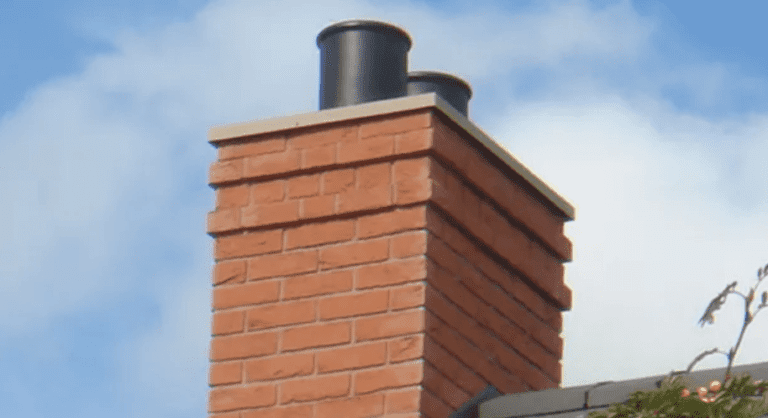
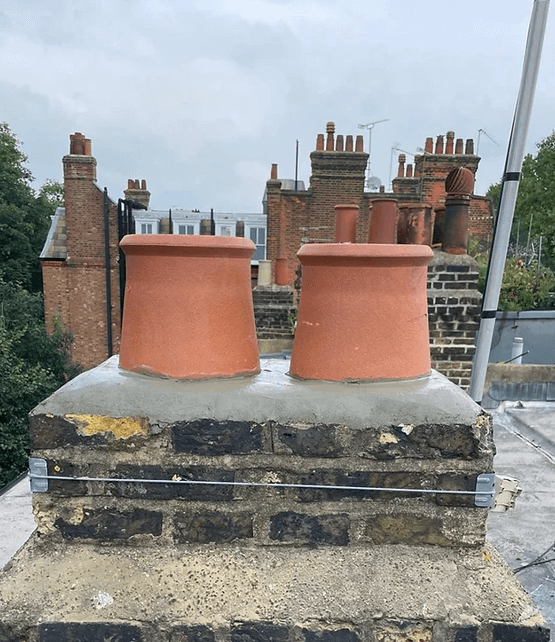
Another common issue is cracked or damaged flaunching. The flaunching is the mortar bed at the top of the chimney that holds the chimney pots in place and helps rainwater run away. If it cracks, water can get into the top of the stack.
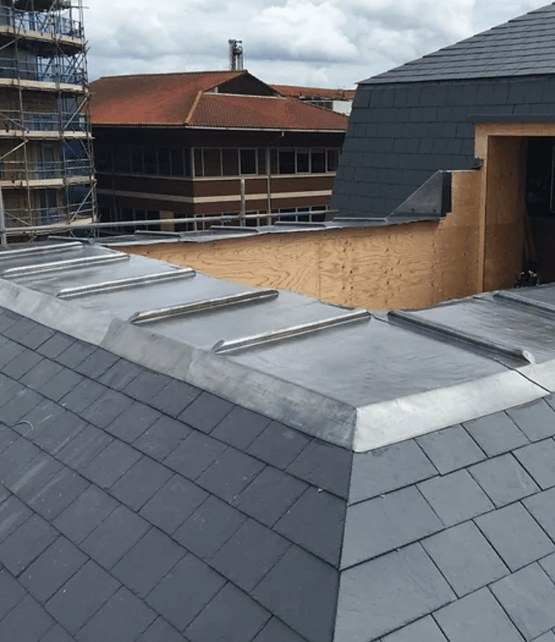
Lead flashing is another key area. Flashing seals the join where the chimney meets the roof. If it becomes loose, split or poorly sealed, water can enter around the base of the chimney and travel into the roof space.
Other common problems include loose chimney pots, damaged brickwork, leaning chimney stacks, vegetation growth, bird nesting and damp patches inside the home.
What is chimney repointing?
Chimney repointing is the process of removing damaged mortar from between the bricks and replacing it with fresh mortar. It is one of the most common forms of chimney repair.
Mortar naturally wears down over time. When it becomes loose or cracked, it stops doing its job properly. Water can get into the gaps, and during cold weather it can freeze and expand. This can push the brickwork apart and make the damage worse.
Repointing helps restore the strength of the chimney and reduces the risk of water getting into the structure. It also improves the appearance of the chimney, especially on older homes where the mortar has started to look patchy or worn.
Good repointing should be carried out carefully. The damaged mortar needs to be removed to a suitable depth, and the new mortar should match the chimney as closely as possible. A rushed repair that only covers the surface may not last, especially in exposed weather.
Damaged chimney brickwork
Brickwork can be affected by age, frost and long term water exposure. If water soaks into the bricks and freezes, it can cause the surface of the brick to break away. This is sometimes seen as flaking, crumbling or rough patches on the face of the bricks.
Cracked bricks can also be a sign of movement or weather damage. A single cracked brick may not always mean the whole chimney is unsafe, but it should still be checked. If several bricks are damaged, the chimney may need more detailed repair work.
Loose bricks are more serious. A loose brick can fall from height, especially during strong winds. This can damage the roof, guttering, vehicles or anything below. It can also be a safety risk to people around the property.
When brickwork damage is found early, repairs may be straightforward. This could involve replacing individual bricks, repointing the chimney or repairing the affected section. If the stack has been neglected for a long time, more extensive work may be needed.
The role of chimney flashing
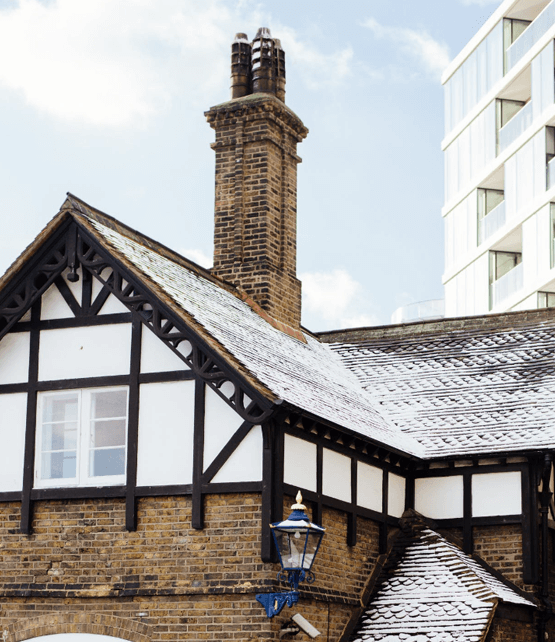
Lead flashing is one of the most important parts of the chimney area. It forms a weatherproof join between the chimney and the roof. Without sound flashing, rainwater can get into the gap where the stack meets the roof covering.
Flashing can fail for several reasons. The lead may split due to age or movement. It may lift away from the brickwork if the mortar has failed. It may also have been fitted poorly during previous work.
Signs of flashing problems include damp staining near a chimney breast, leaks during heavy rain, visible gaps around the chimney base and water marks in the loft. Sometimes the leak only appears during wind driven rain, which can make the cause harder to spot from inside the property.
Because chimney flashing sits on the roof, it should be inspected safely by someone with the right equipment. If the flashing has failed, it may need to be repaired, refixed or replaced depending on its condition.
Chimney flashing often links closely with wider roof repairs in Windsor, as broken tiles, worn underlay or blocked valleys around the chimney can also contribute to leaks.
Cracked chimney flaunching
The top of the chimney is just as important as the base. Flaunching is the sloped mortar around the chimney pots. It helps hold the pots in place and sends rainwater away from the top of the stack.
Over time, flaunching can crack or become loose. Once cracks appear, water can enter the chimney from above. This may lead to damp, internal staining or further damage to the brickwork.
Loose flaunching can also affect chimney pots. If a pot becomes unstable, it may move during high winds. In some cases, chimney pots can need resetting or replacing.
A chimney top should be firm, weatherproof and shaped so that water does not sit on it. If the flaunching is flat, cracked or crumbling, it is worth having it checked.
Warning signs your chimney needs repair
Chimney problems are not always obvious, but there are signs that homeowners can look out for.
Inside the property, damp patches around a chimney breast can suggest water is getting in. You may notice staining on walls or ceilings, peeling paint, damaged plaster or a musty smell. In the loft, there may be dark patches on timbers, wet insulation or signs of water tracking down from the chimney area.
Outside, warning signs can include missing mortar, cracked brickwork, loose lead flashing, plants growing from the chimney, leaning chimney pots or broken pieces of mortar on the roof or ground.
Other signs include:
- Water coming in during heavy rain
- Staining around the fireplace opening
- Debris falling into the fireplace
- A chimney pot that looks uneven
- Moss or vegetation on the stack
- Gaps where the flashing meets the brickwork
- A visible lean in the chimney stack
If you spot any of these issues, it is better to arrange an inspection sooner rather than waiting for the next spell of bad weather.
Why chimney leaks can be difficult to trace
Chimney leaks can be frustrating because the source is not always directly above the visible damp patch. Water can enter through cracked flaunching, loose pointing, failed flashing or damaged roof tiles nearby. It can then travel along roof timbers, behind plaster or down the inside of the chimney before becoming visible.
This is why guessing the cause can lead to repeated problems. A sealant patch may cover one visible gap, but it may not deal with the actual fault. A proper inspection looks at the chimney as a whole, including the brickwork, pointing, top, pots, flashing and roof covering around it.
At LR Roof Repairs, we aim to identify the cause before recommending the repair. This helps avoid short term fixes that do not last.
The risks of ignoring chimney damage
Ignoring chimney damage can lead to more than just a small leak. Water entering the roof can damage timbers, insulation, plaster and ceilings. Damp can spread, and repeated water exposure can make brickwork weaker over time.
Loose mortar and brickwork can also become a safety concern. Falling debris from a chimney can cause damage below, and unstable pots can be dangerous during windy weather.
Small repairs are often more manageable when carried out early. Repointing a chimney or repairing flashing is usually far less disruptive than dealing with widespread damp, roof timber damage or a stack that has become unstable.
If you are unsure whether a chimney problem is urgent, it is best to have it checked. A professional roofer can advise whether the issue needs immediate attention or planned maintenance.
Chimney repairs and roof maintenance
Chimneys should not be looked at in isolation. They are part of the wider roofing system, and the surrounding roof condition matters. A chimney may have good pointing, but if the tiles around it are broken, water may still enter. Likewise, sound roof tiles may not prevent leaks if the flashing has failed.
A roof inspection can check the chimney alongside nearby tiles, slates, ridges, valleys and gutters. This gives a clearer picture of the issue and helps prevent further problems.
Seasonal checks can be useful, especially after strong winds or heavy rain. If your property has an older chimney, regular maintenance can help protect the roof and reduce the risk of sudden leaks.
Professional chimney repairs in Windsor
Working on chimneys requires safe access, roofing knowledge and the right repair method. Chimney stacks are high, exposed and often difficult to inspect from the ground. A professional roofer can assess the condition safely and recommend suitable work.
Our chimney repairs in Windsor can include repointing, brick replacement, flashing repairs, flaunching repairs, chimney pot work and leak tracing. The right repair depends on the condition of the chimney and the cause of the problem.
We always believe in giving clear advice. Some chimneys may only need minor repair work. Others may need more attention if the damage has been left for a long time. Our goal is to help homeowners understand what is needed and why.
When should you call LR Roof Repairs?
You should consider calling us if you have noticed damp near your chimney breast, loose flashing, damaged pointing, cracked brickwork, falling mortar or water entering during bad weather. You should also arrange a check if your chimney has not been inspected for many years.
It is also sensible to have the chimney looked at before winter. Cold, wet weather can make existing defects worse, especially if water gets into cracked mortar or brickwork and freezes.
Whether the issue is small or more serious, we can inspect the chimney area and advise on the next step. We work with homeowners across Windsor and can help with both chimney specific problems and wider roof issues.
Book a chimney inspection in Windsor
Your chimney plays an important role in the condition of your roof. When the pointing, brickwork, flashing or flaunching starts to fail, water can enter the property and cause damage inside. By spotting the warning signs early, you can often avoid more costly repairs later.
If you are concerned about a chimney leak, damaged brickwork or loose flashing, please get in touch with LR Roof Repairs. We can inspect the issue, explain what we find and recommend a practical repair for your Windsor property.